Sustainable Landscaping Solutions: Eco-Friendly Practices for Your Yard Jul 30, 2026
To begin with, choosing the right plants for your landscape is a fundamental step in sustainable landscaping. Selecting native plants is highly advantageous as they are already adapted to the local climate and soil conditions. This means they require less water, fertilizer, and maintenance, reducing the need for synthetic chemicals and excessive watering. Native plants also support local wildlife, including pollinators like bees and butterflies, which are crucial for a healthy ecosystem.
Another important aspect of sustainable landscaping is water conservation. Implementing efficient irrigation systems can drastically reduce water usage. Consider installing drip irrigation, which delivers water directly to the plants’ roots, minimizing evaporation and runoff. Additionally, harvesting rainwater by using barrels or creating a rain garden can further conserve water and make your yard more eco-friendly. These arrangements not only help conserve resources but also lower water bills.
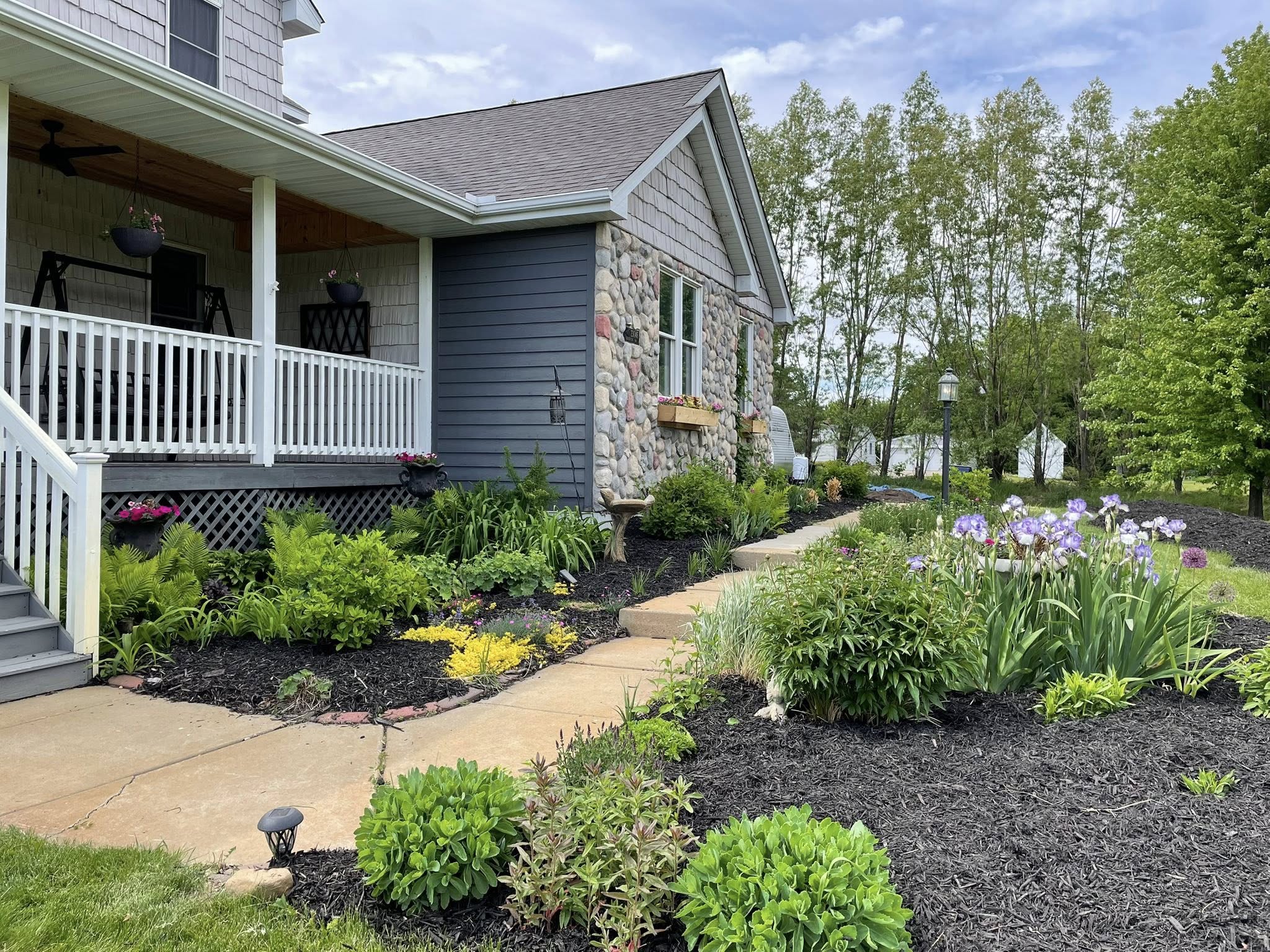
Soil health is vital for sustainable landscapes. Using organic mulch is a practice that enhances soil structure, retains moisture, and suppresses weeds. Organic mulches, such as wood chips or straws, break down slowly, feeding the soil and enhancing its fertility. Composting is another effective way to nourish your soil naturally. By recycling kitchen scraps and yard waste into compost, you enrich the soil with nutrients, reducing the need for chemical fertilizers.
Incorporating hardscaping elements that complement sustainable practices is also essential. Choosing permeable materials for walkways and patios allows rainwater to infiltrate the ground, reducing stormwater runoff and replenishing groundwater supplies. These materials include permeable concrete, pavers, and gravel. hardscaping elements not only add aesthetic appeal but also enhance the functionality and sustainability of your landscape.
Moreover, implementing energy-efficient lighting in your yard can further contribute to sustainability. Opt for solar-powered or LED lighting, which consumes less energy and has a longer lifespan than traditional lighting options. These lighting solutions not only reduce your carbon footprint but also create a beautifully illuminated outdoor space that can be enjoyed at all times of the day.
Sustainable landscaping also encompasses wildlife-friendly practices. Creating habitats for local wildlife by adding birdhouses, bat boxes, or hedgehog homes invites biodiversity into your yard. This fosters a balanced ecosystem where natural pest control occurs through the presence of beneficial insects and birds. A yard teeming with life is not only captivating but also an indication of a thriving, eco-friendly environment.
In conclusion, implementing sustainable landscaping solutions at your home offers numerous benefits, from environmental conservation to cost savings. At Division One Landscapes, we encourage eco-friendly practices that transform yards into sustainable havens. By considering native plants, conserving water, enhancing soil health, choosing appropriate hardscaping materials, and embracing energy-efficient solutions, you can create a yard that is both beautiful and beneficial to the planet. Making these changes not only improves your immediate surroundings but also contributes to the larger goal of environmental sustainability.
/filters:no_upscale()/filters:format(webp)/media/0317fac4-42e3-4eb8-bde6-cb2eaff74197.jpeg)