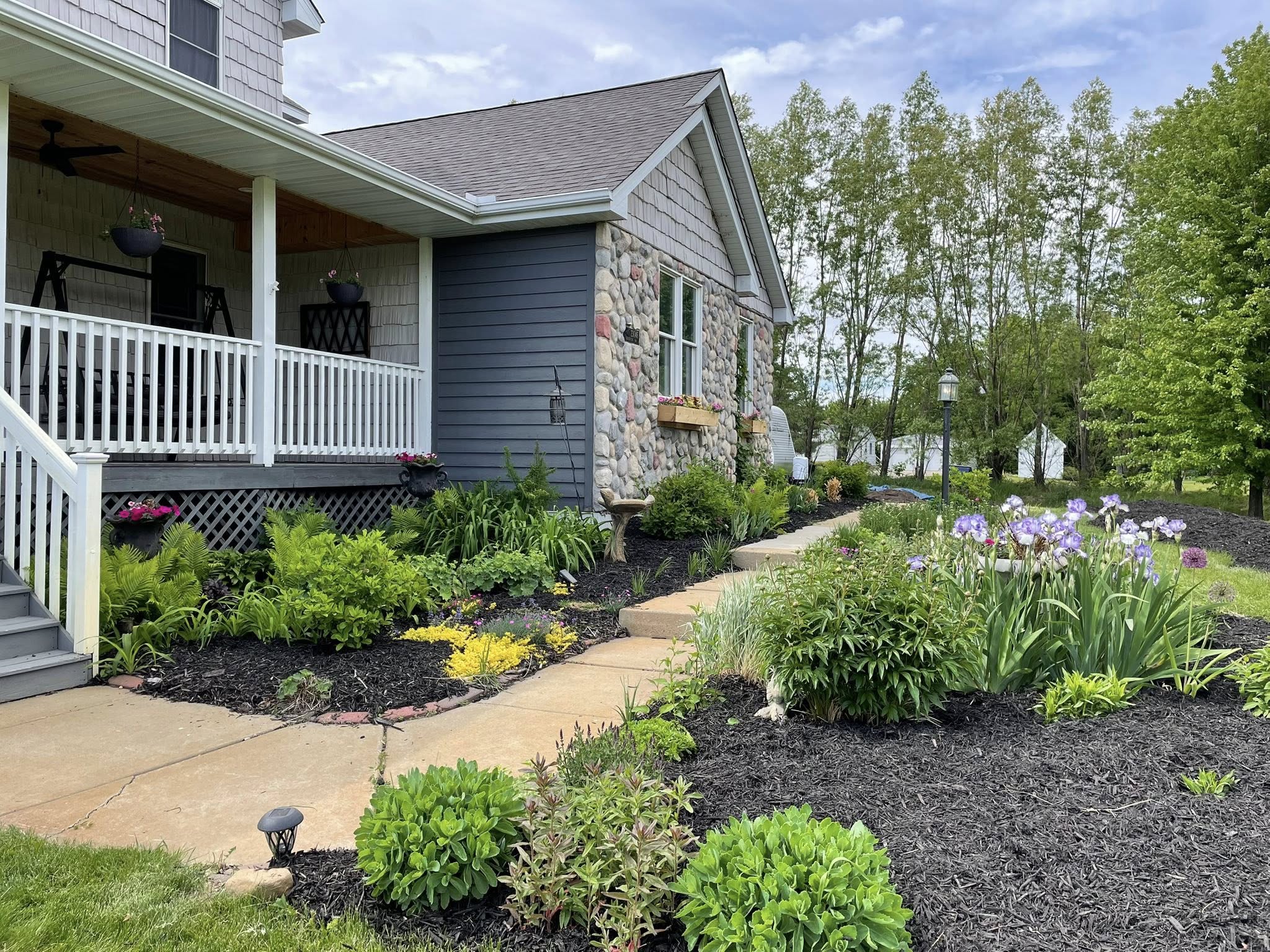
Sustainable Landscaping: Eco-friendly Practices for a Greener Yard Jul 08, 2026
Sustainable landscaping is an approach that emphasizes environmentally friendly plant selections, water conservation, and reduced pollution levels. One effective method in sustainable landscaping is incorporating native plants into your yard. Native plants are already adapted to the local climate and soil conditions, which means they generally require less water and maintenance. By choosing native species, you will also support local wildlife, including essential pollinators like bees and butterflies.
Water conservation is another cornerstone of sustainable landscaping. A practical solution for minimizing water use is to install an efficient irrigation system. Drip irrigation, for instance, provides water directly to the plant roots, reducing waste and evaporation. Additionally, consider harvesting rainwater by setting up a rain barrel system. This simple measure allows you to capture runoff from your roof and use it to water your plants, achieving significant water savings over time.
Reducing chemical use is also critical in creating a sustainable landscape. Many traditional landscaping practices rely heavily on chemical fertilizers, herbicides, and pesticides, which can harm local ecosystems and contribute to pollution. Opt for organic or slow-release fertilizers that nourish your plants effectively without the negative environmental impact. Integrated Pest Management (IPM) strategies can be employed to control pest populations through biological control, habitat manipulation, and friendly garden practices rather than relying solely on chemical interventions.
Mulching offers numerous benefits in a sustainable landscape, such as improved moisture retention, enhanced soil quality, and weed suppression. Choose organic mulches like shredded leaves, wood chips, or straw, which naturally decompose and enrich the soil with time. This simple practice not only supports plant health but reduces the need for additional weed control.
Engaging in sustainable hardscaping techniques can also contribute significantly to an eco-friendlier yard. Permeable pavers are an excellent alternative to traditional concrete surfaces. They allow rainwater to seep through, thus reducing runoff and promoting natural groundwater recharge. By selecting recycled or locally sourced materials for pathways, decks, or retaining walls, you minimize your environmental footprint while still achieving a stylish outdoor space.
Finally, routine maintenance practices can make a big difference in sustainability. Keep lawn areas to a minimum to reduce the need for mowing and use manual or electric tools instead of gas-powered equipment to limit greenhouse gas emissions. Regularly prune your plants to encourage healthy growth and prevent them from becoming invasive.
Transitioning to sustainable landscaping creates a thriving environment that is as rewarding to look at as it is beneficial to the ecosystem. Division One Landscapes is committed to helping clients design and maintain eco-friendly outdoor spaces. By embracing these sustainable practices, homeowners can enjoy a lush, vibrant landscape that respects and nourishes the planet. The rewards of a greener yard are immense, extending beyond personal enjoyment to contribute to a healthier community and a more sustainable world.
/filters:no_upscale()/filters:format(webp)/media/0317fac4-42e3-4eb8-bde6-cb2eaff74197.jpeg)